Reimagining Orientation as an Institutional Experience
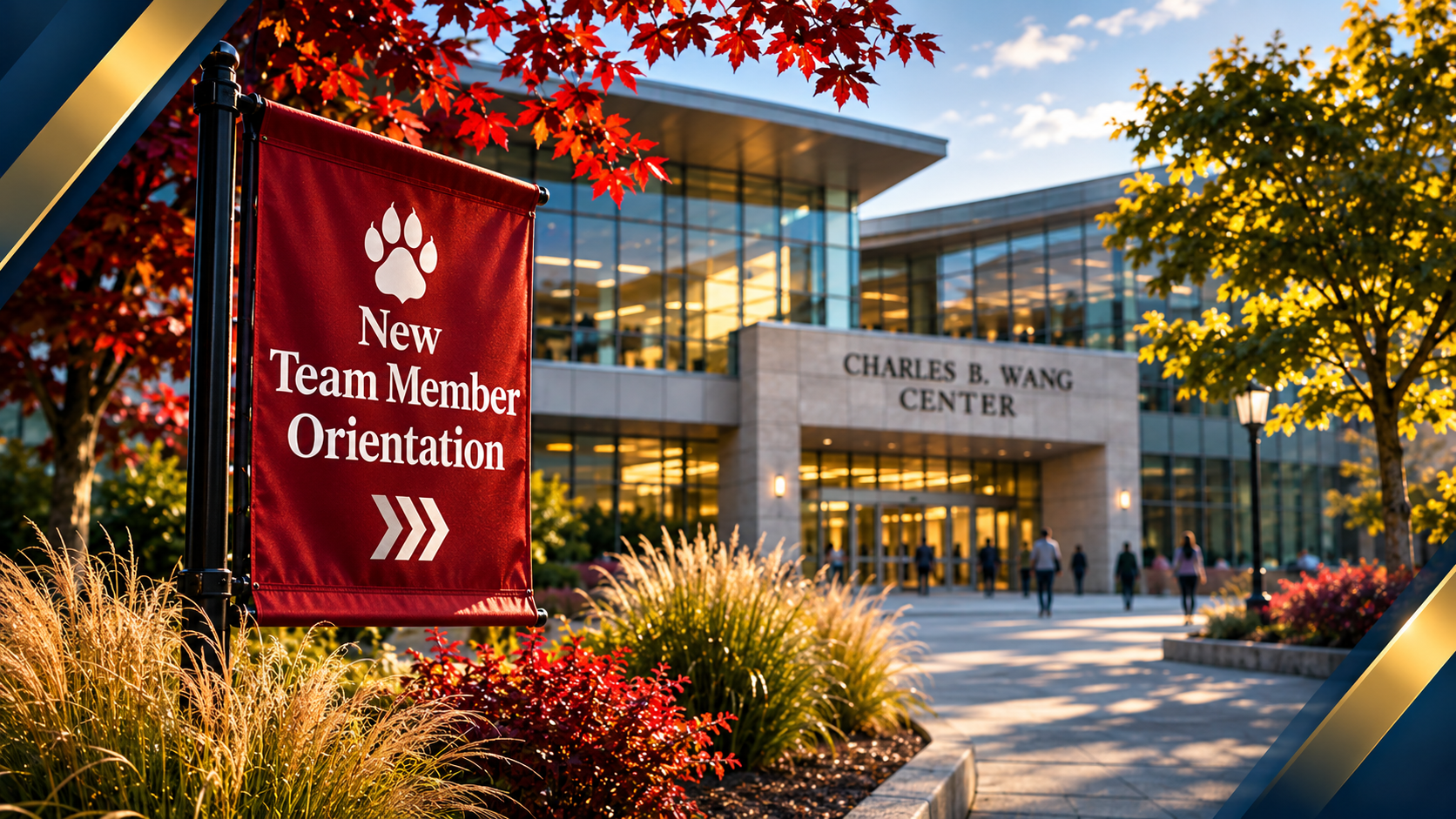
Stony Brook University | 2025–Present
Organizational Transformation • Experience Design • Change Leadership • Stakeholder Engagement
The Opportunity
At a major research university, welcoming new employees involves far more than introducing policies, procedures, and benefits. It represents an opportunity to establish institutional identity, communicate expectations, foster belonging, and connect individuals to a larger mission.
At Stony Brook University, an AAU-member, R1 research institution serving a workforce of more than 16,000 employees, New Team Member Orientation needed to support a remarkably diverse community of faculty and staff.
The opportunity was to move beyond a traditional, information-centered orientation and create a more cohesive, engaging, and mission-driven introduction to the university.
My Strategic Approach
As Manager of Wolfpack Learning, I led the redesign of New Team Member Orientation with a central objective: transform an administrative onboarding event into a meaningful institutional experience.
My approach centered on five priorities:
- Connect employees to the mission. Position orientation as an introduction to Stony Brook’s institutional purpose, culture, and aspirations rather than simply a collection of administrative presentations.
- Design for adult learners. Apply principles of andragogy, learner engagement, relevance, and cognitive load to make information more accessible and memorable.
- Align institutional stakeholders. Coordinate with university partners responsible for essential employee services, compliance, safety, benefits, and workplace resources.
- Create a consistent experience. Establish a structured orientation format that could be delivered repeatedly while maintaining quality and institutional alignment.
- Build for continuous improvement. Incorporate participant feedback, facilitator development, and ongoing content refinement into the program’s operating model.
The guiding principle was straightforward: an employee’s first formal learning experience should reflect the same level of excellence the institution expects throughout their career.
From Strategy to Execution
Working with the Wolfpack Learning team and university partners, I helped translate this vision into New Team Member Orientation 2.0, launched on March 3, 2025.
The redesign brought together institutional storytelling, essential employee information, and coordinated presentations from university service areas.
Rather than treating orientation as a sequence of disconnected presentations, the program emphasized a more unified experience connecting the employee’s responsibilities, available resources, and role within the broader university community.
Key elements included:
- A redesigned orientation structure and presentation experience.
- Greater coordination among participating departments and presenters.
- A stronger emphasis on university culture, employee engagement, and institutional identity.
- Integration of practical resources supporting employees as they navigate university systems and expectations.
- An ongoing process for reviewing content, gathering feedback, and refining delivery.
The result was a repeatable orientation model designed to balance operational requirements with the human experience of joining a complex institution.
Documented First-Year Impact
1,436 — New Team Member Orientation attendees during Wolfpack Learning’s first reporting year.
March 3, 2025 — Launch of New Team Member Orientation 2.0.
Enterprise-wide — A standardized orientation experience supporting new faculty and staff across the university.
Beyond participation figures, the initiative established a platform for continued improvement in orientation design, cross-functional collaboration, and employee communication.
While attendance demonstrates program reach, the longer-term value of orientation must also be evaluated through employee feedback, understanding, engagement, and successful integration into the institution.
Beyond Orientation: Building Institutional Connection
One of the most important strategic decisions was to treat orientation as part of the broader employee experience rather than an isolated Human Resources event.
At an institution encompassing research, education, healthcare, and public service, employees may enter the organization with vastly different professional backgrounds and responsibilities.
A well-designed orientation provides a common starting point.
By connecting institutional mission, practical knowledge, and human relationships, the program helps establish a shared foundation while respecting the diversity of roles that make the university successful.
The initiative also created opportunities for continued collaboration with university partners and future refinements to the onboarding experience.
The Executive Leadership Lesson
Transforming New Team Member Orientation reinforced a principle that extends well beyond higher education:
The first experience an organization creates for its people communicates what that organization truly values.
Effective onboarding requires more than polished presentations. It demands strategic alignment, stakeholder coordination, thoughtful experience design, operational consistency, and an understanding of how adults learn.
The accomplishment was not simply redesigning an orientation program. It was establishing a more intentional approach to introducing employees to the institution, its expectations, and their place within its mission.
William P. Corrigan, MBA
The Executive Strategist | The Renaissance Professional